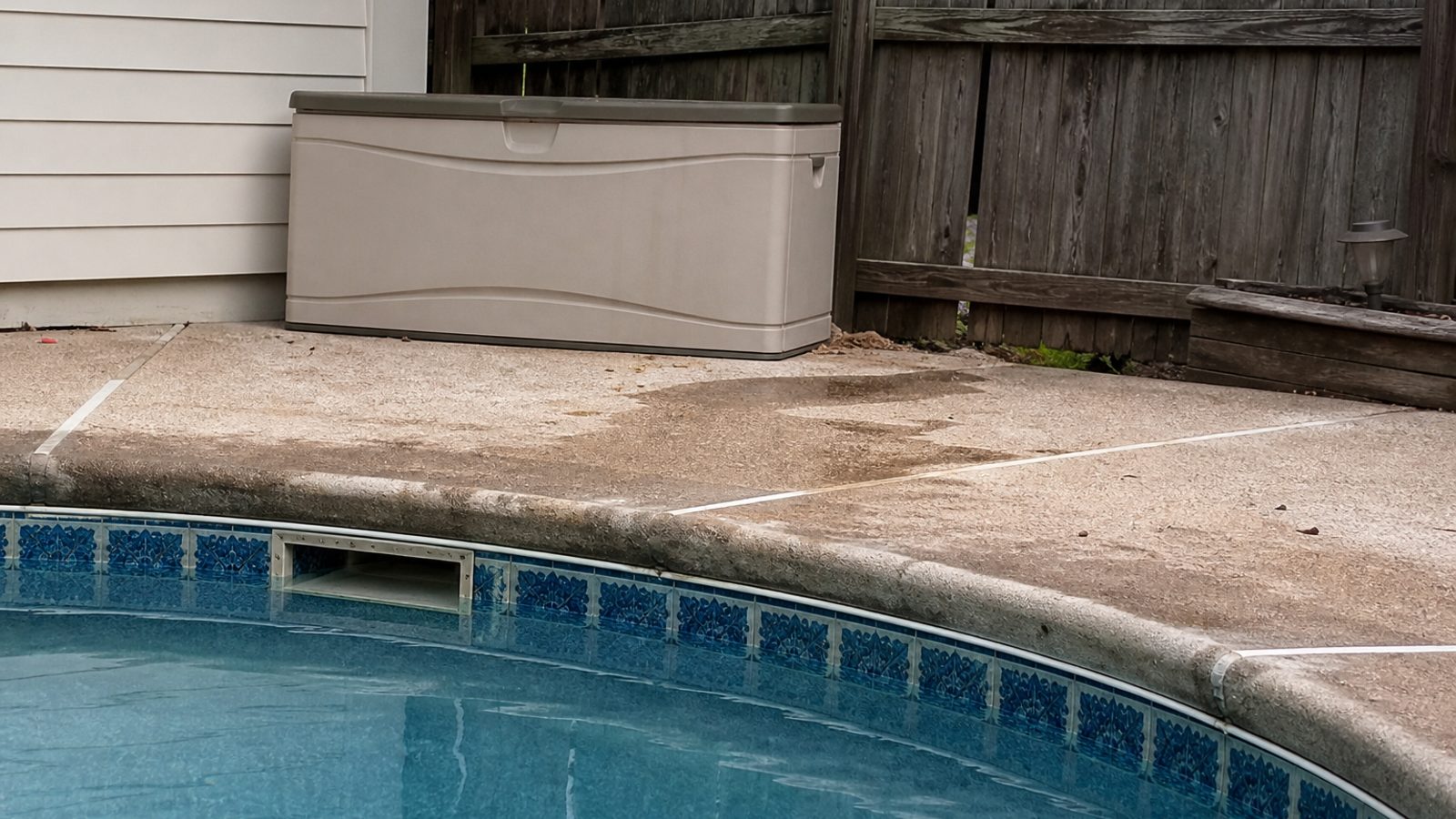
Timing
Note whether the symptom follows rain, heat, wind, usage, maintenance, watering, or seasonal changes.
SERVICE GUIDE
Educational guide to pool water loss, symptoms, cost factors, regional differences, and what homeowners should watch before calling anyone.
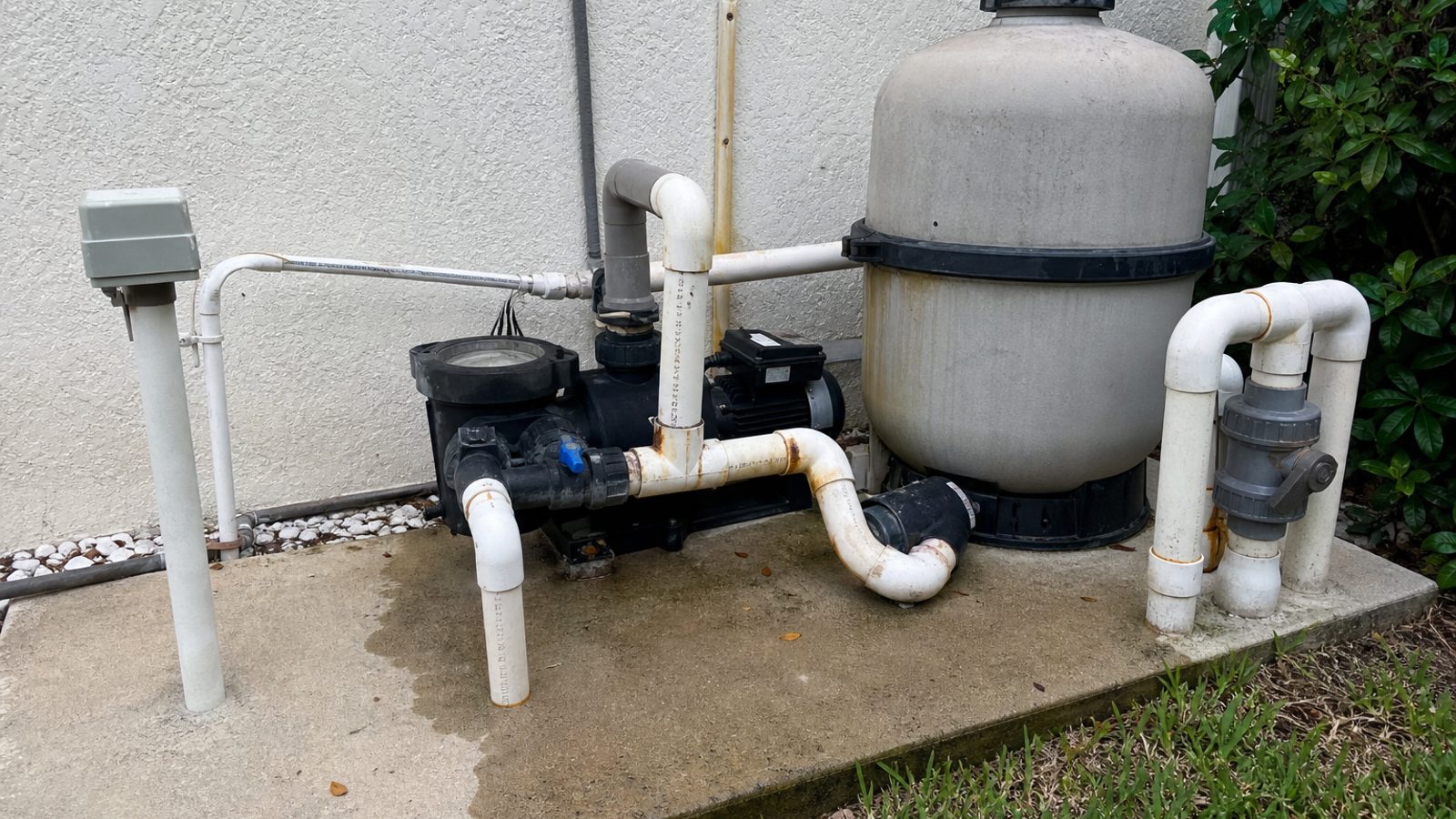
Pool Leak Detection Homeowner Guide explains pool water loss from a homeowner education point of view. The goal is not to sell a service or push a quote request. The goal is to help a homeowner understand what the category involves, what symptoms matter, what can affect cost, and why the answer can change by region.
Most pool water loss questions begin with a visible symptom. The symptom may be obvious, but the cause usually needs context. Relevant factors include evaporation, plumbing leaks, shell cracks, equipment-pad leaks, returns, lights, skimmers, and deck movement. A useful guide should help the homeowner describe the condition before assuming one simple fix.
What the work actually involves depends on scope. Some projects are visual inspections and straightforward maintenance. Others require diagnostic steps, access planning, specialized tools, safety precautions, or sequencing with another repair. Homeowners should be cautious about anyone who gives a final answer without enough property detail.
Signs you may need help include symptoms that repeat, spread, appear after weather, create safety concerns, affect essential systems, or keep returning after a simple adjustment. A single observation is useful, but a pattern is better. Record timing, location, photos, and any recent changes around the property.
Cost is affected by access, material condition, size, height, diagnostic time, replacement parts, weather, regional demand, and whether the visible symptom is the whole problem or only the easiest part to notice. RoofToSoil discusses cost as factors and ranges where appropriate, not as fake exact promises.
Regional differences matter. Florida humidity can intensify algae, pests, corrosion, and year-round outdoor-system wear. Texas soil movement and heat cycles can change drainage and exterior concerns. Arizona heat and UV exposure can accelerate material fatigue. Nevada dry air and evaporation can change pool, landscape, and seal behavior.
A good provider conversation should include the symptom, the property context, likely diagnostic steps, what is included, what might change scope, and what the homeowner should do before the visit. If access, safety, utilities, pets, gates, HOA rules, or water conditions matter, those details should be discussed early.
Common homeowner mistakes include treating a recurring symptom as a one-time annoyance, ignoring the weather pattern, assuming the cheapest visible fix addresses the cause, skipping photos, or waiting until seasonal demand is highest. The better approach is to document the pattern and ask more precise questions.
Before calling anyone, write down when the issue started, where it appears, whether it changes after rain or heat, what has already been tried, and whether neighboring areas show similar signs. That small amount of preparation often leads to a clearer inspection or repair conversation.
This guide explains what to watch, what details to document, and which questions help clarify the issue before a homeowner decides on next steps.
Note whether the symptom follows rain, heat, wind, usage, maintenance, watering, or seasonal changes.
Photograph the exact area, nearby surfaces, access points, and any related components.
Track whether the issue is isolated, spreading, recurring, or connected to another system.
For Florida-specific context, start with the statewide homeowner guide and then move to metro pages as they expand.
Before scheduling any service, ask what the first diagnostic step will be, what information would change the scope, what access is needed, and what conditions might prevent the work from being completed in one visit. Good communication before the visit reduces surprises and helps homeowners understand whether the visible symptom is likely the cause or only the first clue.
Ask whether photos are useful. For many home systems, a close photo without context is less useful than three simple images: one showing the symptom, one showing the surrounding area, and one showing access. If the issue changes after weather or use, take notes over several days instead of relying on memory.
Ask what should not be touched before the visit. Some homeowner fixes erase useful evidence, move the problem, or make the next inspection harder. That can happen with pest entry points, leak locations, irrigation zones, paver drainage, electrical controls, vent exits, and pool equipment. If safety is not at risk, observation is often better than improvisation.
In Florida, humidity, salt air, storms, pest pressure, pools, and outdoor living surfaces create year-round wear. In Texas, soil movement, heat, hard water, and storm runoff can dominate the same service category. In Arizona, extreme heat, UV exposure, dust, pool chemistry, and irrigation efficiency often matter. In Nevada, dry air, evaporation, summer heat, and desert landscaping change how homeowners interpret maintenance symptoms.
Those differences are why RoofToSoil separates national service education from local service pages. A service category can be national; the practical homeowner questions are regional.
Keep a short maintenance note with dates, weather, recent work, symptoms, and photos. Record whether the issue repeats, spreads, changes with rain or heat, affects safety, or involves more than one system. That record makes a future professional conversation clearer and helps avoid unnecessary assumptions.
For recurring issues, compare normal and abnormal conditions. A pool that drops after heavy use is different from one that drops in calm weather. A mosquito problem after a storm is different from one caused by hidden standing water. A roof stain in deep shade is different from a sudden leak. A slow dryer with a long vent run is different from a damaged duct. Context matters.
The right next step depends on whether the symptom is isolated or recurring, whether it affects safety or active use, whether it appears after a predictable trigger, and whether nearby components show the same pattern. A careful homeowner does not need to diagnose the issue completely, but they can usually describe it well enough to have a more useful conversation.
When in doubt, prioritize safety, access, and documentation. Avoid exact promises from any generic article, including this one. Property conditions can change the answer in ways a national guide cannot see.
Before taking action, write down the symptom in one sentence, then add the condition around it. Note the weather, water exposure, shade, recent maintenance, age of nearby materials, and whether the symptom is new, recurring, or spreading. This simple record is often more useful than a long description written later from memory.
Next, decide whether the issue is cosmetic, preventive, functional, or safety-related. Cosmetic issues still matter when they point to moisture or material wear, but they usually allow more time for observation. Functional or safety-related symptoms deserve faster professional attention and should not be handled through a generic internet checklist alone.
Finally, avoid false certainty. A guide can help you understand the categories and ask better questions, but the property itself still decides the answer. Access, construction details, hidden water paths, soil behavior, roof geometry, pest entry points, equipment condition, and local code or HOA rules can all change the recommendation.
Use this page as a planning resource, not a final diagnosis. The most reliable next step is to combine the general pattern explained here with observations from the actual property: timing, access, weather, materials, nearby systems, and whether the symptom is changing. That combination is what turns a broad guide into a useful homeowner conversation.
For search and reader quality, this guide intentionally adds context rather than a shortcut. The safest interpretation is always property-specific.
FIELD CONTEXT
Visual examples help connect the guide text to the kinds of property conditions homeowners may be documenting.